Products
Formulation

FRESH - FROZEN - JUICE - DRIED
Products
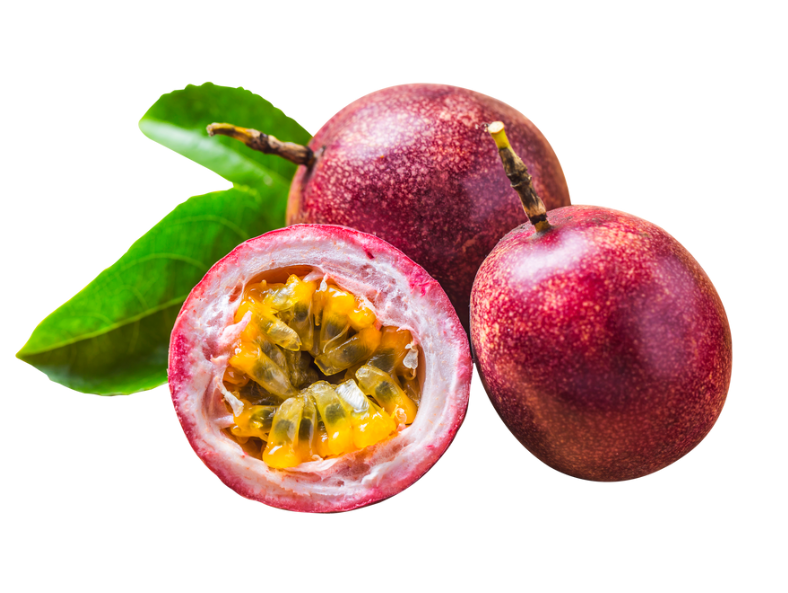
Fresh paasion fruit
Passion fruit frozen whole, half cut, dice
Passion fruit canned juice
Passion fruit puree
Passion fruit dried
Harvest
Oct-Jun
Related Products